
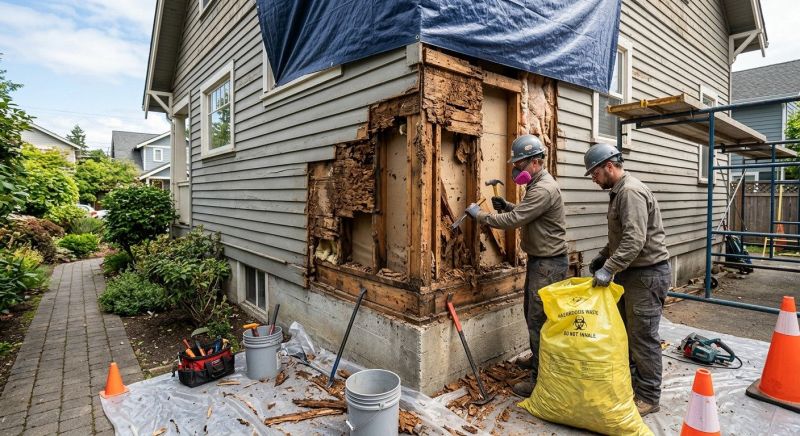
Decayed Wood Replacement in Wilmington, NC
Decayed wood replacement services involve removing and replacing damaged or rotting wood components on residential properties. This work typically covers areas such as decks, porches, siding, fascia boards, soffits, and window frames where wood has been compromised by moisture, pests, or age. Property owners often seek this service to restore the structural integrity and appearance of their home, prevent further deterioration, and maintain property value. Before requesting decayed wood replacement, it’s helpful to understand the extent of the damage, the types of wood involved, and whether other underlying issues like water leaks or pest infestations need to be addressed.
Homeowners should consider the condition of their existing wood structures and identify areas showing signs of decay, such as soft spots, discoloration, or visible rot. Knowing the scope of the project, including whether replacement is needed for entire sections or just specific parts, can aid in planning and budgeting. Additionally, understanding the types of materials used and the best practices for matching existing wood can help ensure a seamless repair that preserves the home’s aesthetic and structural integrity. Contacting a professional can provide guidance on the necessary repairs and appropriate materials for each project.
Many property owners in Wilmington, NC look into Decayed Wood Replacement for repairs, replacements, upgrades, and appearance-related improvements.
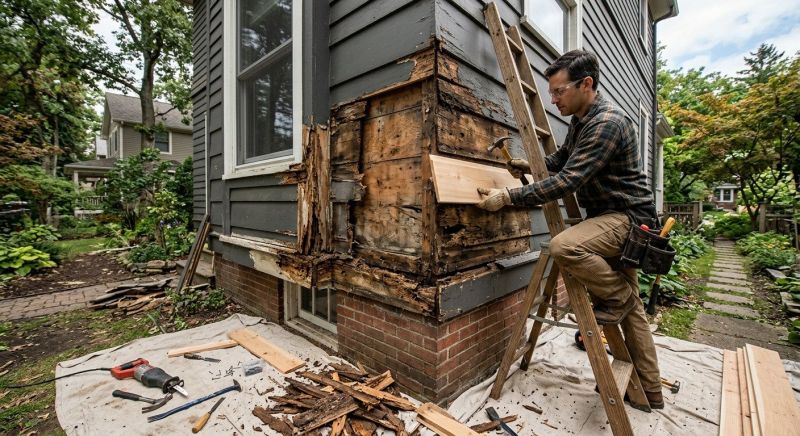
Signs Of Decayed Wood
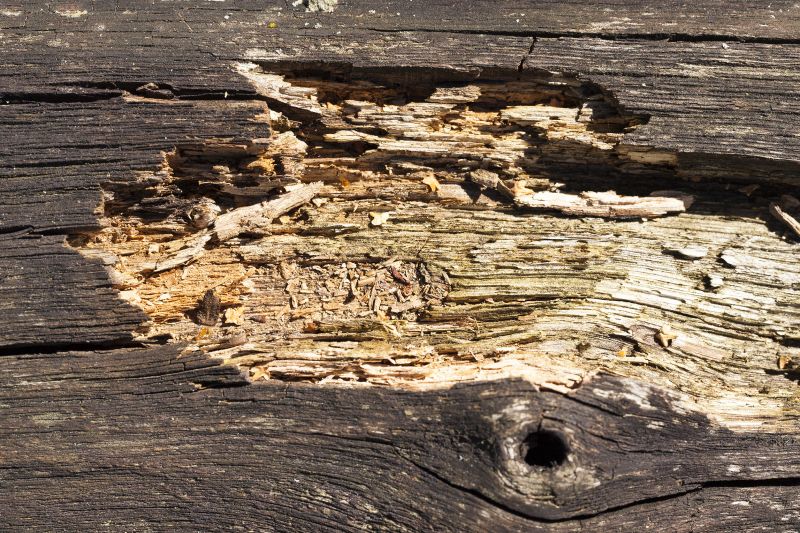
Visible rot, soft spots, and discoloration indicate wood decay in structures.
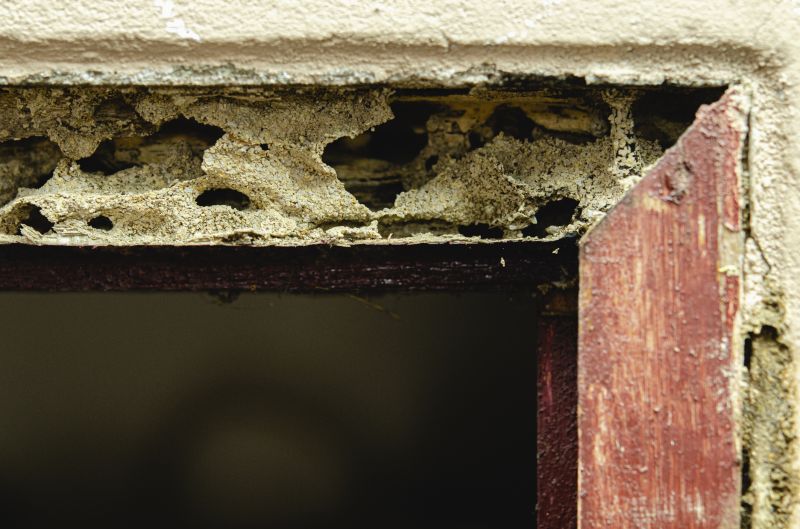
Common Repair Areas
Decayed wood often affects decks, soffits, window frames, and fencing around wilmington homes.
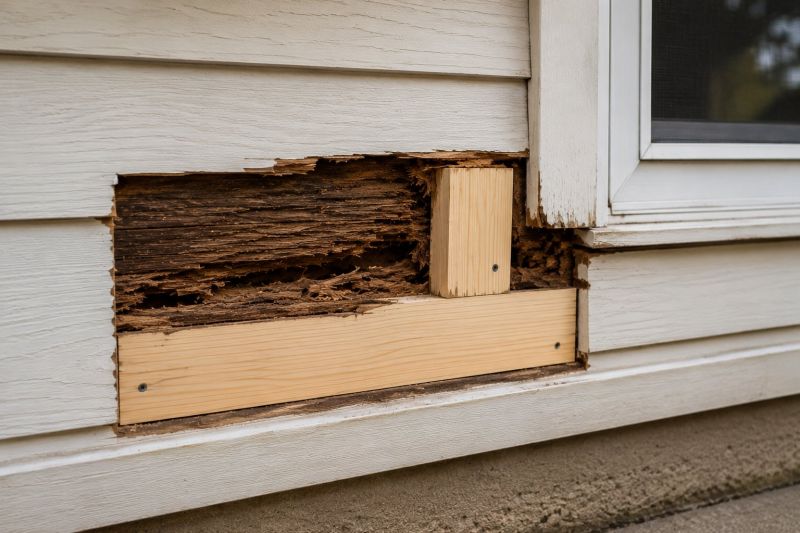
Restoration Techniques
Replacement involves removing damaged sections and installing durable new wood to restore integrity.
Decayed Wood Replacement in Wilmington, NC
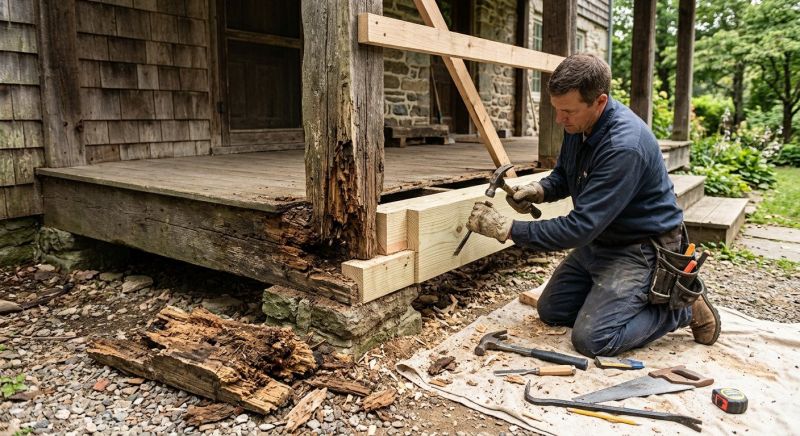
Decayed wood replacement services involve removing and replacing damaged or rotting wood components on residential properties. This work typically covers areas such as decks, porches, siding, fascia boards, soffits, and window frames where wood has been compromised by moisture, pests, or age. Property owners often seek this service to restore the structural integrity and appearance of their home, prevent further deterioration, and maintain property value. Before requesting decayed wood replacement, it’s helpful to understand the extent of the damage, the types of wood involved, and whether other underlying issues like water leaks or pest infestations need to be addressed.
Homeowners should consider the condition of their existing wood structures and identify areas showing signs of decay, such as soft spots, discoloration, or visible rot. Knowing the scope of the project, including whether replacement is needed for entire sections or just specific parts, can aid in planning and budgeting. Additionally, understanding the types of materials used and the best practices for matching existing wood can help ensure a seamless repair that preserves the home’s aesthetic and structural integrity. Contacting a professional can provide guidance on the necessary repairs and appropriate materials for each project.
Many property owners in Wilmington, NC look into Decayed Wood Replacement for repairs, replacements, upgrades, and appearance-related improvements.
Common Decayed Wood Replacement Jobs
Decayed Wood Replacement - Restores damaged wood to maintain property integrity and appearance.
Porch and Deck Repair - Replaces rotted framing and decking to ensure safety and stability.
Siding Replacement - Removes and replaces decayed siding to protect the structure from moisture.
Window and Door Frames - Replaces compromised frames to improve energy efficiency and security.
Roofing Support - Addresses wood rot in roof components to prevent leaks and structural issues.
Structural Reinforcement - Restores weakened framing to uphold building safety and longevity.
Decayed Wood Replacement Questions
What causes wood to decay on properties? Decay occurs when moisture and fungi penetrate wood, leading to deterioration over time, especially in humid environments like Wilmington.
How can decayed wood be identified? Signs include soft spots, discoloration, mold growth, and visible rot or crumbling areas on wooden structures.
Is decayed wood replacement necessary for property safety? Yes, replacing decayed wood helps maintain structural integrity and prevents further damage or safety hazards.
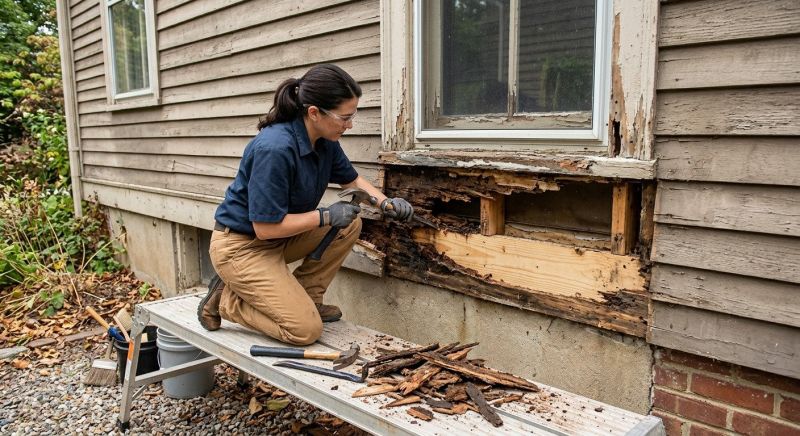
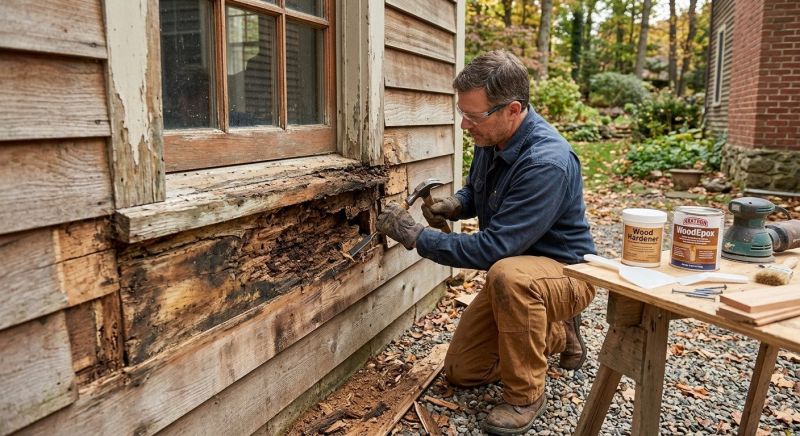
What types of projects typically need decayed wood replacement? Common projects include porch columns, window sills, fascia boards, and deck supports showing signs of rot or decay.
Request Decayed Wood Replacement in Wilmington, NC
Use the quote form on this page to share the basics of your project and request more information for the type of work you need.