
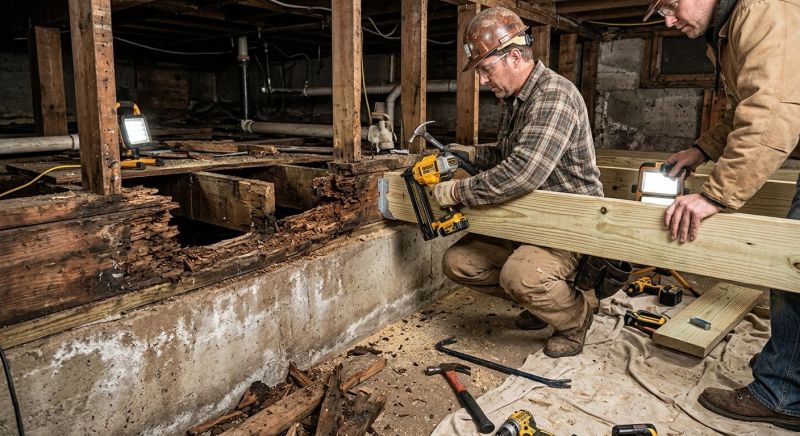
Structural Rot Repair in Alpharetta, GA
Structural rot repair services address wood decay caused by moisture, pests, or fungal growth that compromises the integrity of a building’s framework. This service is essential for repairing damaged beams, joists, and support structures in areas such as basements, crawl spaces, decks, and porches. Property owners typically seek this service when they notice sagging floors, uneven surfaces, or visible signs of wood deterioration, aiming to restore safety and stability to their homes or commercial properties.
Before requesting structural rot repair, homeowners often want to understand the extent of the damage and the necessary scope of work. It’s important to identify the sources of moisture or pests contributing to the rot to prevent future issues. Clear communication about the repair process, materials used, and any potential disruptions can help property owners make informed decisions about restoring their property’s structural soundness.
Many property owners in Alpharetta, GA look into Structural Rot Repair for repairs, replacements, upgrades, and appearance-related improvements.
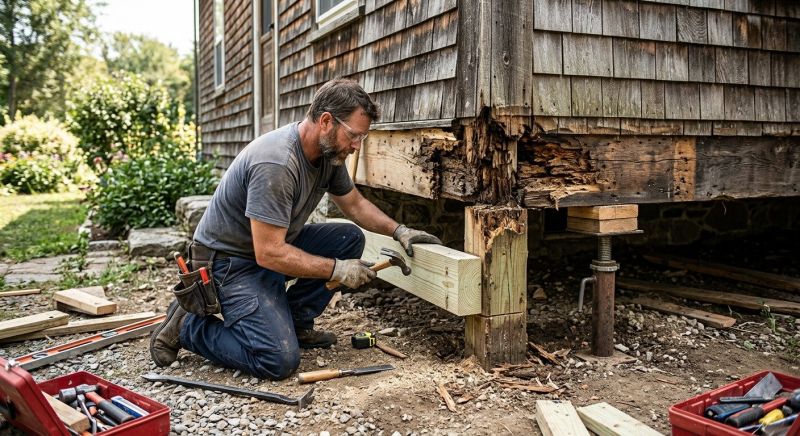
Signs Of Structural Rot
Homeowners should watch for wood decay, sagging floors, or weakened beams in their properties.
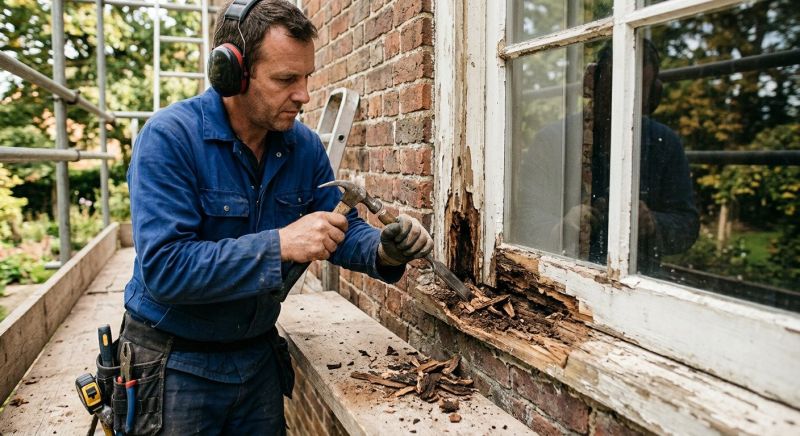
Common Causes Of Rot
Exposure to moisture, leaks, and poor ventilation can lead to wood deterioration in homes around alpharetta, ga.
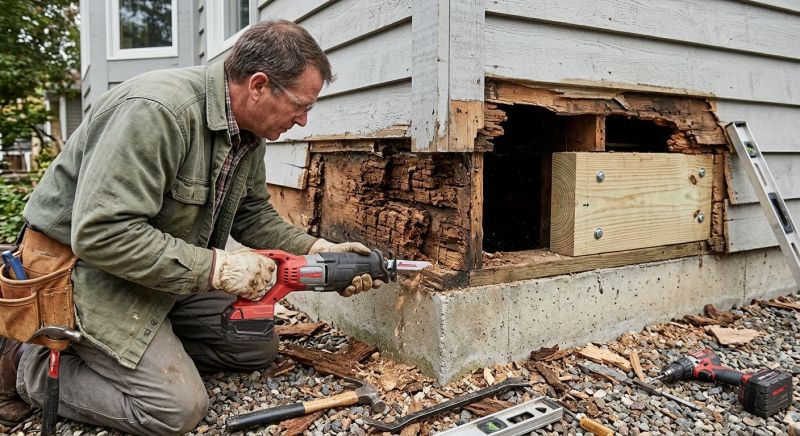
Repair And Prevention
Restoring structural integrity involves removing damaged wood and applying protective treatments to prevent future issues.
Structural Rot Repair in Alpharetta, GA
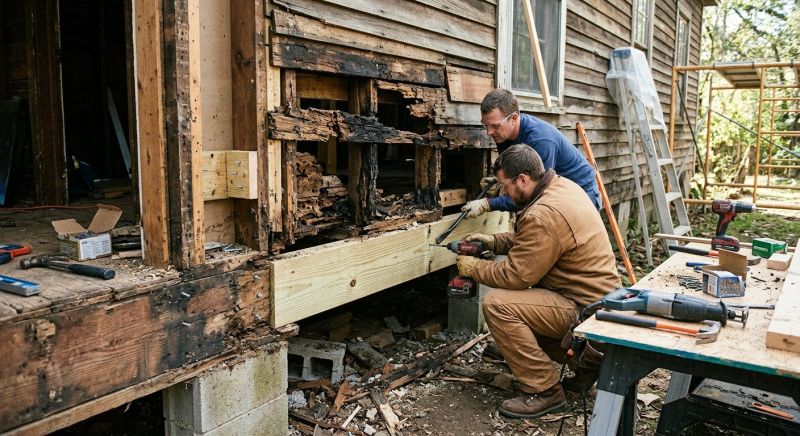
Structural rot repair services address wood decay caused by moisture, pests, or fungal growth that compromises the integrity of a building’s framework. This service is essential for repairing damaged beams, joists, and support structures in areas such as basements, crawl spaces, decks, and porches. Property owners typically seek this service when they notice sagging floors, uneven surfaces, or visible signs of wood deterioration, aiming to restore safety and stability to their homes or commercial properties.
Before requesting structural rot repair, homeowners often want to understand the extent of the damage and the necessary scope of work. It’s important to identify the sources of moisture or pests contributing to the rot to prevent future issues. Clear communication about the repair process, materials used, and any potential disruptions can help property owners make informed decisions about restoring their property’s structural soundness.
Many property owners in Alpharetta, GA look into Structural Rot Repair for repairs, replacements, upgrades, and appearance-related improvements.
Common Structural Rot Repair Jobs
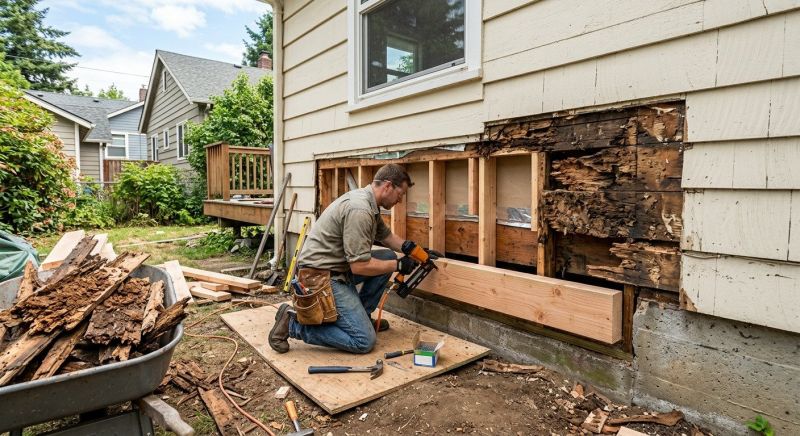
Foundation Repair - addressing wood rot caused by moisture damage to support structures.
Deck and Porch Repair - restoring rotted wooden components to ensure safety and stability.
Interior Wall Restoration - repairing framing and drywall affected by structural decay.
Roof and Eaves Repair - replacing rotted rafters and fascia to prevent further damage.
Basement and Crawl Space Repair - treating wood rot in foundation areas to maintain structural integrity.
Post and Beam Restoration - reinforcing or replacing decayed support beams for long-term stability.
Structural Rot Repair Questions
What causes structural rot in buildings? Structural rot is typically caused by prolonged exposure to moisture, which promotes wood decay and mold growth affecting load-bearing elements.
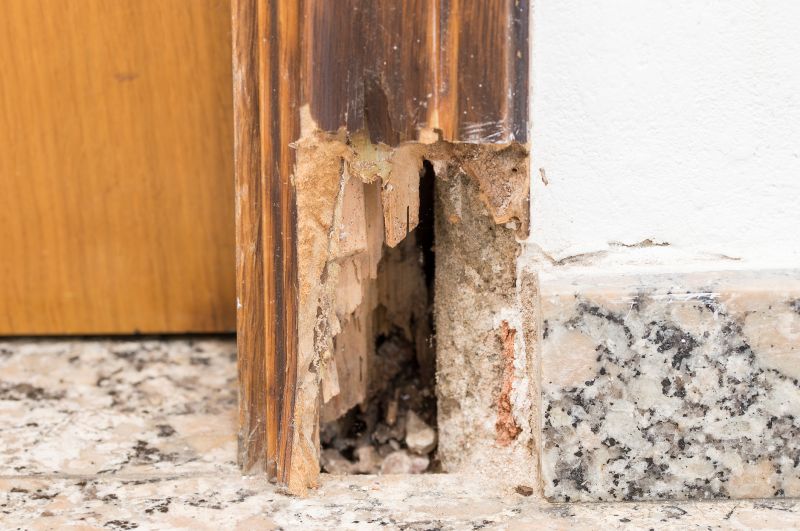
How can I tell if my property has structural rot? Signs include soft or spongy wood, visible mold or discoloration, and sagging or warping of structural components.
Is structural rot repair necessary for safety? Yes, addressing structural rot is important to maintain the stability and safety of the building’s framework.
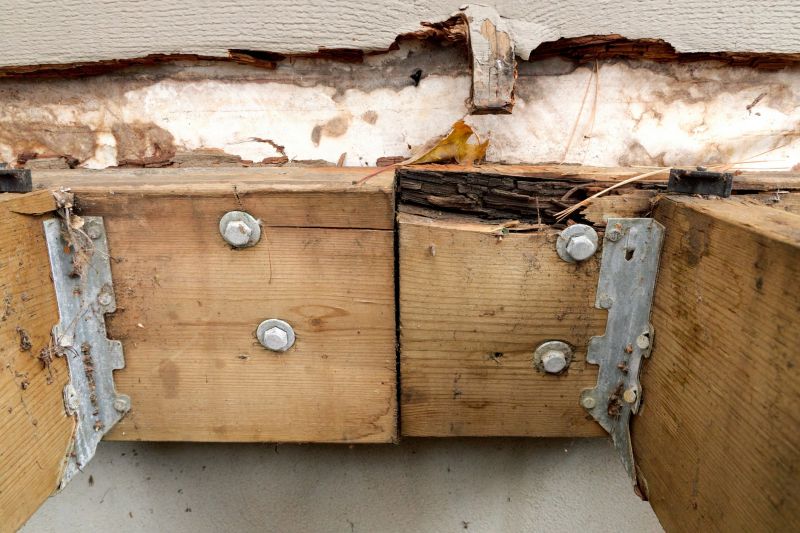
What projects commonly involve structural rot repair? Common projects include foundation beams, floor joists, wall studs, and roof supports requiring reinforcement or replacement.
Request Structural Rot Repair in Alpharetta, GA
Use the quote form on this page to share the basics of your project and request more information for the type of work you need.